
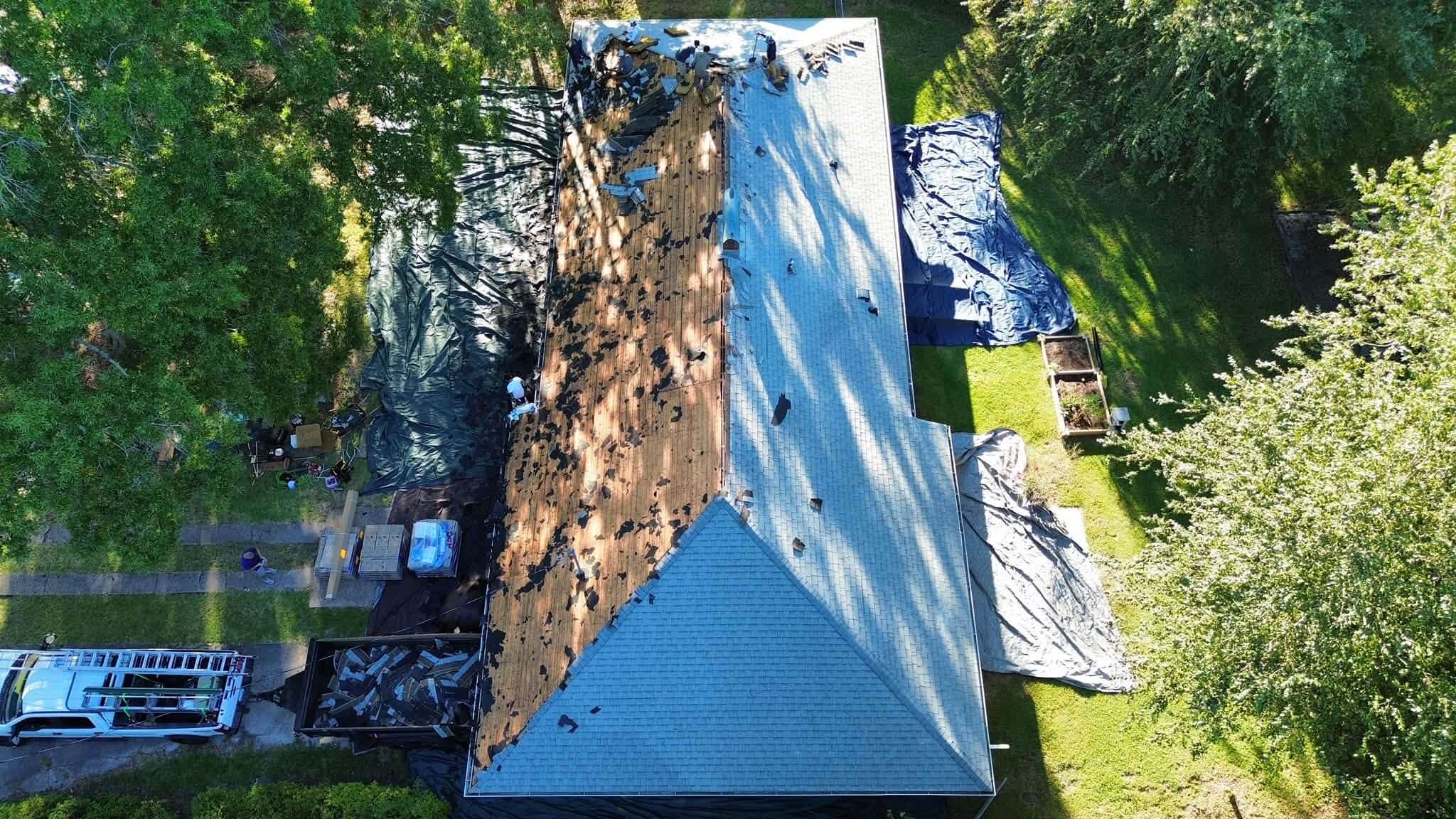
Choosing a new roof for your home is a major decision, especially in Wilson, NC. Local homeowners face a variety of climate challenges throughout the year, including humid summer heat waves, heavy downpours, severe afternoon thunderstorms, and the occasional hurricane passing through eastern North Carolina. When it comes to residential roofing in Wilson, NC, metal roofing and asphalt shingles stand out as two of the most popular choices.
Both materials bring real benefits to the table, and the right decision comes down to your budget, your house style, how long you plan to stay in the home, and your tolerance for maintenance. Here is a clear look at how metal roofing vs. asphalt shingles compare so you can choose the best option for your property.
What Is the Difference Between Metal Roofing and Asphalt Shingles?
Metal roofing systems typically rely on large interlocking panels or specialized metal shingles engineered to channel water off your roof deck efficiently. They come in several styles, including sleek standing-seam panels and corrugated profiles, along with a wide range of painted finishes.
Asphalt shingle roofing relies on layered fiberglass mats coated with asphalt and topped with protective mineral granules. These are installed in overlapping courses to create a durable, weather-resistant barrier. Traditional shingles offer a timeless look with architectural and 3-tab designs that fit almost any neighborhood aesthetic. Regardless of which material you choose, long-term performance always depends on using high-quality underlayment, proper flashing around chimneys and vents, and correct installation techniques.
Which Roofing Material Lasts Longer?
When comparing lifespan, metal roofs generally take the lead. A quality metal roof installation can last 40 to 70 years when properly installed and maintained. That makes metal a popular “one-and-done” choice for homeowners planning to stay in their house for several decades.
Standard architectural asphalt shingles usually have a service life of 15 to 30 years. Shingle longevity varies depending on the product grade, attic ventilation, sun exposure, and local storm frequency. Prolonged exposure to intense ultraviolet light and high humidity in eastern North Carolina can wear down asphalt granules over time. Regular visual checks help catch minor issues early for either material, and reviewing specific manufacturer warranties gives you a realistic idea of what to expect.

How Do Metal Roofs and Asphalt Shingles Handle North Carolina Weather?
Living in Wilson means your roof needs to withstand sudden weather shifts. Both metal and asphalt effectively shed heavy rainfall when sloped and flashed correctly. However, high winds and severe weather affect the two materials differently.
According to research from the Insurance Institute for Business & Home Safety (IBHS), severe windstorms can lift or tear individual asphalt shingles if the sealant strips age or fail. Metal roof panels, when secured with engineered fasteners, offer exceptional wind resistance during coastal and inland storm events. Hail can dent metal panels or strip protective granules off shingles, depending on impact force.
Neither material is completely storm-proof, so scheduling a professional roof inspection after severe weather is always smart.
Which Option Costs Less to Install and Maintain?
Upfront cost is usually the biggest deciding factor for local homeowners. Asphalt shingles are significantly less expensive to purchase and install initially, making them an ideal choice if you want to keep immediate project costs down.
Metal roofing requires a higher initial investment due to material costs and specialized labor requirements. However, long-term ownership costs paint a different picture.
- Asphalt Repairs: Individual damaged shingles are simple and inexpensive to replace after isolated storm damage.
- Metal Maintenance: Metal systems require minimal daily upkeep, though seam and fastener checks are good practice over time.
- Total Value: A metal roof may cost more on day one, but avoiding a full roof replacement 20 years down the road can offset that initial price gap.
Is Metal Roofing More Energy-Efficient Than Asphalt Shingles?
During hot North Carolina summers, your roof absorbs a tremendous amount of sun. Reflective metal roofs can reflect a significant portion of solar radiant heat away from the home. That reflectivity helps keep attic temperatures lower, which reduces the workload on your air conditioner.
Darker traditional asphalt shingles tend to absorb heat and transfer it into the space below unless paired with modern reflective “cool roof” granules. Keep in mind that metal is not automatically more energy-efficient in every home. Total energy performance also depends heavily on proper attic insulation, ridge ventilation, and overall building design.

Which Roofing Option Is Better for Your Wilson, NC Home?
The right choice depends entirely on your personal priorities, budget, and long-term plans.
- Choose Metal Roofing If: You plan to remain in your home for decades, want maximum wind resistance, and prefer a long-lasting, low-maintenance option.
- Choose Asphalt Shingles If: You want a lower upfront installation cost, prefer a classic residential look, or plan to sell your property within the next ten years.
Taking time to evaluate metal roofing in Wilson, NC alongside quality architectural shingles ensures you get a system that fits your budget and protects your property for years to come.
Compare Roofing Options With a Local Professional
Still not sure whether metal or asphalt is the right fit for your property? Home Town Exteriors LLC is here to help you evaluate your roofline, discuss your budget, and choose the ideal materials for our North Carolina climate.
Call Home Town Exteriors LLC today at (252) 903-7867 to schedule your free roof assessment and get a detailed quote for your home!