
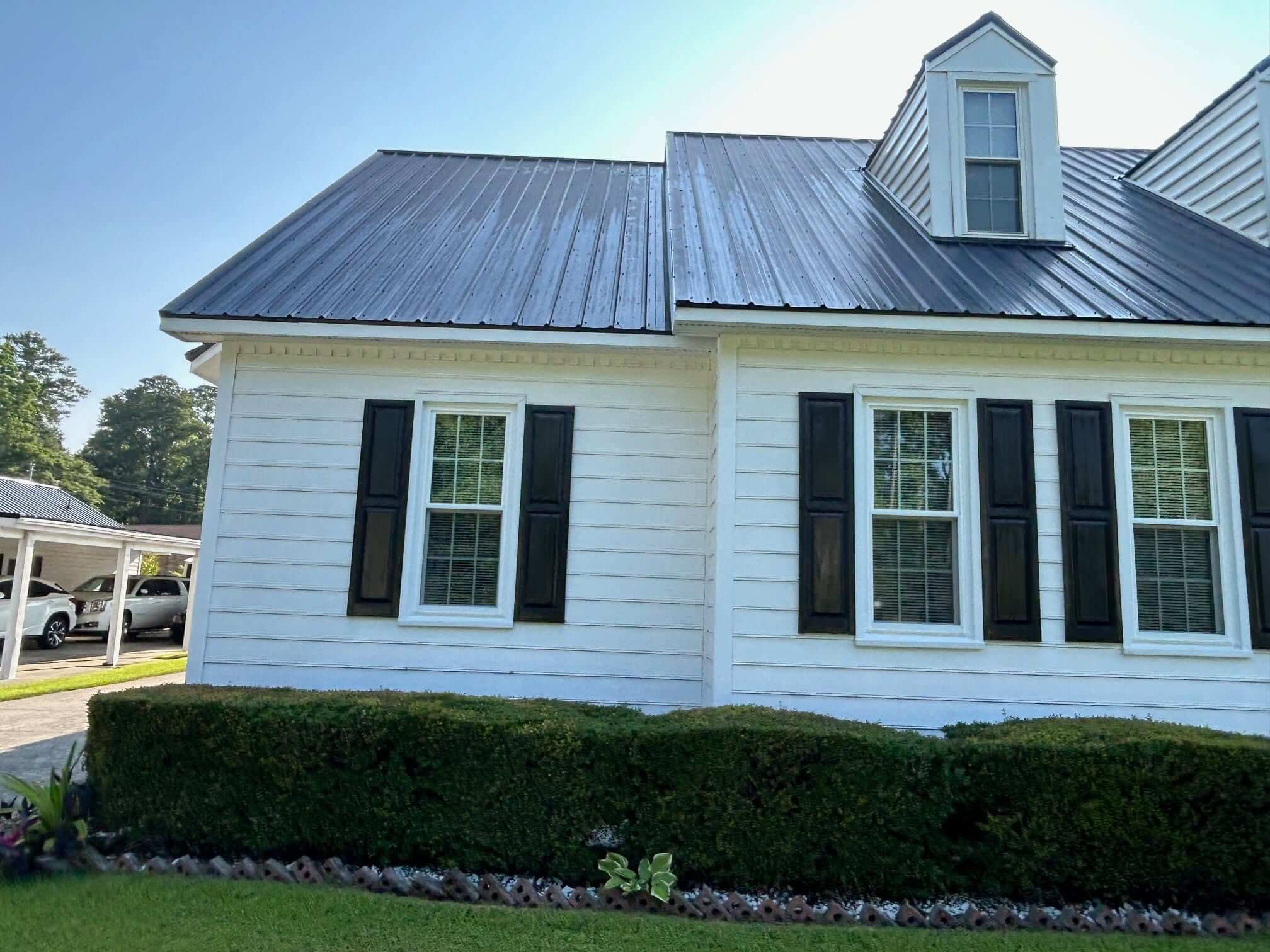
Replacing a roof is one of the biggest investments you can make in your home. If you are looking at your options in North Carolina, metal roofing has probably caught your eye. It looks great, handles weather well, and promises impressive longevity. But how many years can you actually expect to get out of a metal roof in our state?
North Carolina serves up a little bit of every climate challenge imaginable. We have hot, humid summers, heavy rain, intense spring thunderstorms, and tropical storms rolling in from the coast. Understanding the real-world metal roof lifespan in North Carolina comes down to looking at the materials you choose, local weather, and proper installation habits.
How Many Years Can a Metal Roof Last?
Under normal conditions, a quality residential metal roofing system can last anywhere from 40 to 70 years. In many cases, a metal roof is the last roof a homeowner will ever need to install. Compare that to standard asphalt shingles, which typically need replacement every 15 to 20 years in warm, humid states, and the value becomes clear.
According to long-term housing studies by the National Association of Home Builders (NAHB), basic asphalt roofs carry an average life expectancy of 20 years, whereas metal options regularly outlast them by several decades. However, those decades of service depend heavily on the thickness of the metal panels, protective factory coatings, and quality craftsmanship during installation.
How Does North Carolina's Climate Affect Metal Roof Lifespan?
North Carolina’s weather keeps every hard-working roof on its toes. From the Blue Ridge Mountains down through the Piedmont and over to the Outer Banks, local conditions play a massive role in overall performance.
- Heat and Sunlight: Summer temperatures regularly bake rooftops. Intense UV rays gradually break down paint finishes and protective topcoats over time.
- Humidity and Rain: Persistent moisture and heavy rain downpours put joint seals to the test. If water gets trapped near vulnerable seams, it can lead to premature rust on basic steel.
- Thunderstorms and High Winds: High winds create uplift pressure along edges and eaves. Wind-blown debris can scratch coatings or dent lower-gauge panels if high-impact options are not used.
- Thermal Expansion: Rapid temperature shifts cause metal panels to expand and contract daily. Correct fastener placement is vital so the panels can move naturally without backing screws out.
Coastal homes face extra challenges from airborne salt spray, which accelerates rust on standard metals. Inland homes face more severe summer heat and localized microbursts.

Does the Type of Metal Roofing Make a Difference?
The material you select directly impacts metal roof durability. Not all metals perform the same way under North Carolina weather.
Steel roofing is the most common residential choice. It relies on galvanized layers or galvalume coatings to block rust. As long as the factory finish stays intact, steel performs exceptionally well for 40 to 50 years.
Aluminum roofing is a favorite in coastal areas because aluminum does not rust, even when exposed to salt-heavy ocean air. Premium aluminum systems often last 50 years or longer with very little trouble.
Specialty metals like copper and zinc offer unmatched longevity, often lasting over a century, but they come with a significantly higher price tag. Beyond the raw metal, choosing between exposed-fastener panels and standing-seam panels matters. Standing-seam systems hide fasteners beneath interlocking ribs, protecting vulnerable screw holes from direct weather exposure and giving you the longest possible service life.
What Can Cause a Metal Roof to Wear Out Early?
Even built-to-last materials can run into trouble if the details get overlooked. Understanding these common risks helps you protect your investment:
- Poor Installation: Improperly driven fasteners, over-tightened rubber washers, or misaligned flashing allow water to sneak past your defenses.
- Coating Scratches: Deep scratches from falling tree limbs expose raw metal to damp air, starting the corrosion process early.
- Trapped Debris: Leaves, pine needles, and dirt accumulating in roof valleys retain moisture and trap standing water against the metal.
- Neglected Maintenance: Failing to replace aged rubber grommets around exposed screws every 15 to 20 years can lead to tiny roof leaks.
Most storm-related roof failures start at weakened edge flashings or loose perimeter fasteners. A well-installed roof prevents those early fail points.
How Can Homeowners Extend a Metal Roof's Lifespan?
Consistent, simple care goes a long way toward stretching your metal roofing lifespan. You do not need to spend every weekend on a ladder, but keeping up with basic metal roof maintenance keeps big problems away.
First, clear your gutters, downspouts, and valleys twice a year. Removing leaf buildup lets rainwater drain freely, preventing standing water near flashing joints. Trim back overhanging tree branches to limit shade, cut down on sap accumulation, and prevent heavy limbs from scratching the surface during high winds.
Schedule a quick ground-level visual check after major tropical storms or severe summer cold fronts. Look for loose trim, lifted flashing, or displaced sealant. If you ever need to clean your roof, avoid harsh chemical cleaners or stiff wire brushes that strip away protective PVDF or Kynar factory coatings. Stick to soft-bristle brushes and mild detergents recommended by manufacturers.

When Should You Repair or Replace a Metal Roof?
A single drip or a rusty fastener does not mean you need a brand-new roof. Small issues like a backed-out screw, dried sealant, or a single damaged flashing piece are easy fixes for a professional installer.
Replacement becomes the better route when you see widespread rust penetration, major panel degradation across multiple slopes, or extensive structural damage from severe storm impacts. An inspection will tell you whether spot repairs can preserve your roof or if full metal roof replacement makes the most financial sense.
Protect Your Metal Roof With Professional Care
Taking care of your home starts with a reliable roof over your head. If you have questions about metal roofing in North Carolina or need a thorough roof evaluation after recent storms, Home Town Exteriors LLC is ready to help. Call us today at (252) 903-7867 to schedule an inspection and keep your home protected for decades to come.